Conduire supplies complete fall protection systems for work at height across Qatar, from single harnesses to full project packages. Our range covers full body harnesses, energy-absorbing lanyards, self-retracting lifelines, anchor devices and tool tethering, with EN and ANSI certified options. We supply contractors, scaffolding firms, oil and gas operators and facility management companies from our base in Al Wakrah. Send us your requirement and we'll recommend the right combination for your task, anchor type and fall clearance.
أحزمة الأمان الكاملة للجسم
أحزمة لإيقاف السقوط وتحديد وضع العمل والإنقاذ
أحزمة الأمان الكاملة للجسم
أحزمة الأمان الكاملة للجسمأحزمة أمان كاملة للجسم لإيقاف السقوط وتحديد وضع العمل والإنقاذ.
- الأنواع
- أحزمة إيقاف السقوط بنقطة ونقطتين، أحزمة تحديد وضع العمل (مع حزام خصر)، أحزمة الإنقاذ
- المعايير
- EN 361 / EN 358 / ANSI Z359.11
- الخيارات
- أبازيم توصيل سريع، عالية الوضوح، طرازات ATEX / مقاومة للقوس الكهربائي
- الإنشاءات
- السقالات
- النفط والغاز
حبال الربط وماصات الصدمات
حبال توصيل لإيقاف السقوط والتقييد
حبال الربط وماصات الصدمات
حبال الربط وماصات الصدماتحبال ربط ماصة للطاقة ولتحديد الوضع لتوصيل الحزام بنقطة التثبيت.
- الأنواع
- حبال ربط ماصة للطاقة بساق واحدة ومزدوجة، حبال ربط للتقييد وتحديد الوضع
- الطول
- 1.5 m / 1.8 m / 2 m
- المعايير
- EN 355 / EN 354 / EN 358
- السقالات
- تركيب الهياكل الفولاذية
- الأبراج
خطوط النجاة ذاتية الارتداد
أجهزة إيقاف السقوط القابلة للارتداد (SRLs / بلوكات السقوط)
خطوط النجاة ذاتية الارتداد (SRLs)
خطوط النجاة ذاتية الارتدادأجهزة إيقاف سقوط قابلة للارتداد تنغلق فورًا عند السقوط.
- الأنواع
- خطوط نجاة ذاتية الارتداد بشريط نسيجي أو كابل مجلفن / فولاذ مقاوم للصدأ، خطوط نجاة شخصية مزدوجة
- الأطوال
- أطوال متنوعة
- المعيار
- EN 360 / ANSI Z359.14
- أسطح الخزانات
- أرصفة التحميل
- الأعمال العلوية
نقاط التثبيت والموصلات
نقاط التثبيت وخطوط النجاة والكارابينات
نقاط التثبيت والموصلات
نقاط التثبيت والموصلاتأجهزة تثبيت وخطوط نجاة وموصلات لاستكمال نظام الحماية من السقوط.
- نقاط التثبيت
- حمالات تثبيت، مشابك عوارض، نقاط تثبيت دائمة ومؤقتة
- خطوط النجاة
- خطوط نجاة أفقية وعمودية، ماسكات الحبال
- المعايير
- EN 795 / EN 362 / EN 353
- الفولاذ الإنشائي
- أعمال الأسطح
- السقالات
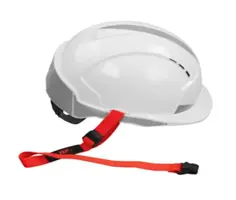
ربط الأدوات والخوذ
حبال وروابط تمنع سقوط الأجسام عند العمل في المرتفعات
How to choose the right fall protection system
A fall arrest system has three parts, and each must be rated for the job:
- Anchor: a fixed point, beam clamp, anchor sling or lifeline able to hold the arrest load (EN 795).
- Body support: a full body harness (EN 361). Use a positioning belt (EN 358) when workers need both hands free.
- Connector: an energy-absorbing lanyard (EN 355) for short falls, or a self-retracting lifeline (EN 360) where fall clearance is limited or the worker moves over a wide area.
Check the fall clearance, the height needed below the worker to stop a fall safely. A standard 2 m energy-absorbing lanyard can need around 6 m of clearance. A self-retracting lifeline usually needs much less, which makes it the better choice for low heights such as tank tops and loading bays.
For tool and helmet tethering, match each tether to the weight of the tool so dropped objects don't reach people below.
Why buy from Conduire
- One supplier for the whole system: harness, lanyard, SRL, anchor and connectors.
- EN and ANSI certified options, with documentation supplied on request.
- Stock and project supply for construction, scaffolding, oil and gas, and marine sites.
- ICV-certified local supplier based in Al Wakrah, Qatar.
Frequently asked questions
How often should a harness be inspected?
Users should check it before every use. A competent person should formally inspect it at least every 6 months, or more often in harsh conditions.
When should I use a self-retracting lifeline instead of a lanyard?
When fall clearance is under about 6 m, or when the worker needs to move freely. An SRL locks within a short distance and reduces free fall.
Do you supply rescue equipment?
Yes. Rescue harnesses are part of the range, and we can quote rescue and confined-space kits. See Confined Space & Rescue.
Can you supply for a whole project?
Yes. Send your manpower count and scope of work, and we'll quote a complete kit per worker.